

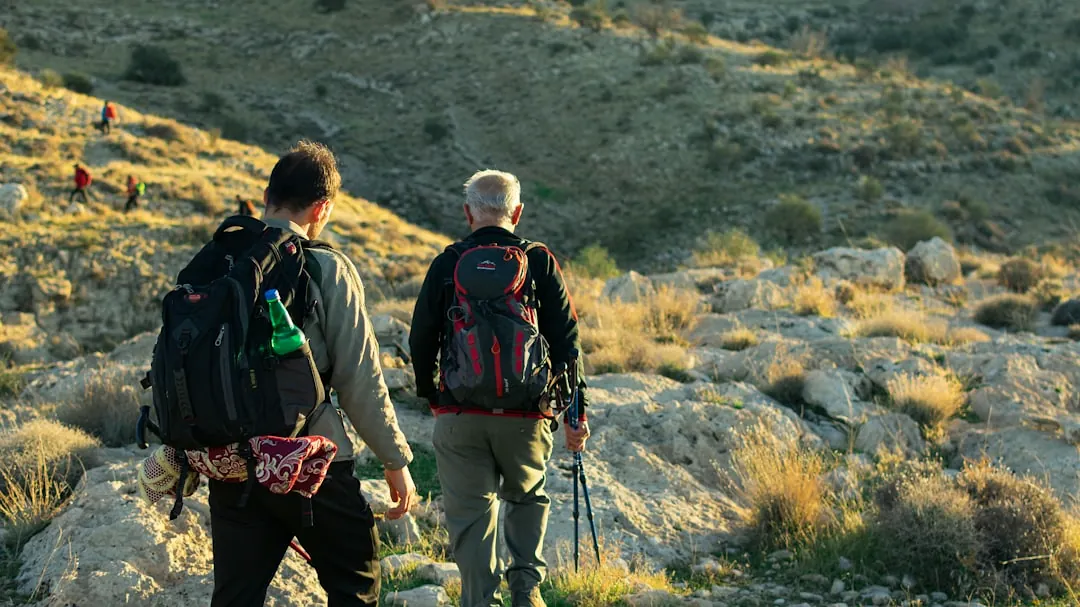
Recent work suggests travel is not a magic bullet for slowing biological aging; instead, trips can support healthier aging when they deliberately combine physical activity, stress-reducing rest, cognitive challenge, and social connection. As lead researcher Fangli Hu of Edith Cowan University puts it, travel encourages movement and positive emotions—but the benefits depend on the type and planning of the trip, not travel per se.
Which biological pathways travel can influence
Physical activity common to many trips—walking, hiking, cycling—boosts metabolism, improves circulation, and helps preserve musculoskeletal strength and immune function, all of which support the body’s repair systems that decline with age. Kristin Weible, a physical therapy professor, emphasizes pacing and hydration as specific controls: aim for consistent low-to-moderate effort (for most people, 30–90 minutes of activity daily) rather than occasional high-intensity bursts that raise injury risk.
Separately, stress physiology changes with restful travel. Psychologist William Chopik and his colleagues report that short vacations—studies often cite benefits after about four nights away—can lower cortisol and ease chronic stress, but only when travelers disengage from work and practice relaxation techniques rather than simply changing location.
Concrete trip features that matter (and common planning mistakes)
Not all vacations are equal. Cognitive stimulation—learning a language, taking a cooking class, navigating new environments—activates brain networks linked to memory and executive function, which can help delay cognitive decline; occupational therapist Brittany Ferri highlights immersive experiences as most potent. Social contact on trips combats loneliness, a known risk for accelerated aging; gerontologist Jenny Munro notes that group tours, family travel, or volunteer stays that create daily interaction tend to provide larger emotional and cognitive returns.
| Travel element | Typical dose/duration | Expected health effect | When to pause or stop |
|---|---|---|---|
| Daily movement (walk/hike/cycle) | 30–90 min/day of light–moderate activity | Improved circulation, muscle/bone maintenance | New chest pain, dizziness, severe breathlessness |
| Restorative breaks | Multi-day stays (research often notes ≥4 nights) | Lower cortisol, improved sleep if truly disengaged | Persistent insomnia, rising anxiety while away |
| Cognitive immersion | Multi-session classes or repeated novel challenges | Sharper memory and mood | Overwhelm, fatigue, or cognitive overload |
| Social travel | Daily meaningful interactions (group/family/volunteer) | Reduced loneliness, better emotional health | Conflict, exclusion, or isolation within the group |
Who gains most and who needs a tailored plan
Older adults at risk from loneliness or sedentary lifestyles stand to gain disproportionally from well-designed trips that mix movement and social contact; longevity physician Dr. Andrew Mock suggests integrating travel into a broader plan of regular activity, sleep hygiene, and stress management so benefits extend after returning home. Conversely, people with uncontrolled chronic illness, recent major surgery, or immunosuppression should adapt intensity and destinations—consulting a clinician before travel reduces the chance that illness or injury will erase any potential benefit.
Start small, watch for checkpoints, and know when to stop
A realistic starting prescription is three elements: 1) daily light movement (30 minutes), 2) at least one structured social or learning activity during the trip, and 3) prioritizing sleep and downtime. Use checkpoints to progress: if you complete low-impact activity for a week without adverse symptoms, increase duration or complexity; if you experience persistent fatigue, sleep disruption, or stress spikes, scale back. Researchers caution that poorly planned travel—unsafe environments, rushed itineraries, or lack of medical preparation—can introduce infection, injury, or stress that counteracts benefits.
Short Q&A
How long should a trip be to reduce stress long enough to matter? Studies often note measurable drops in cortisol after around four consecutive nights where travelers disengage from work and use relaxation techniques.
Is a local weekend enough? Local active or restorative weekend trips can help if they reliably include movement, social contact, and sleep recovery, but longer or repeated breaks are likelier to produce sustained changes in stress markers.
When should I postpone travel? Postpone for acute illness, recent hospital discharge, uncontrolled cardiac symptoms, or if travel logistics make emergency care unlikely; these are concrete stop signals to avoid negating potential benefits.