

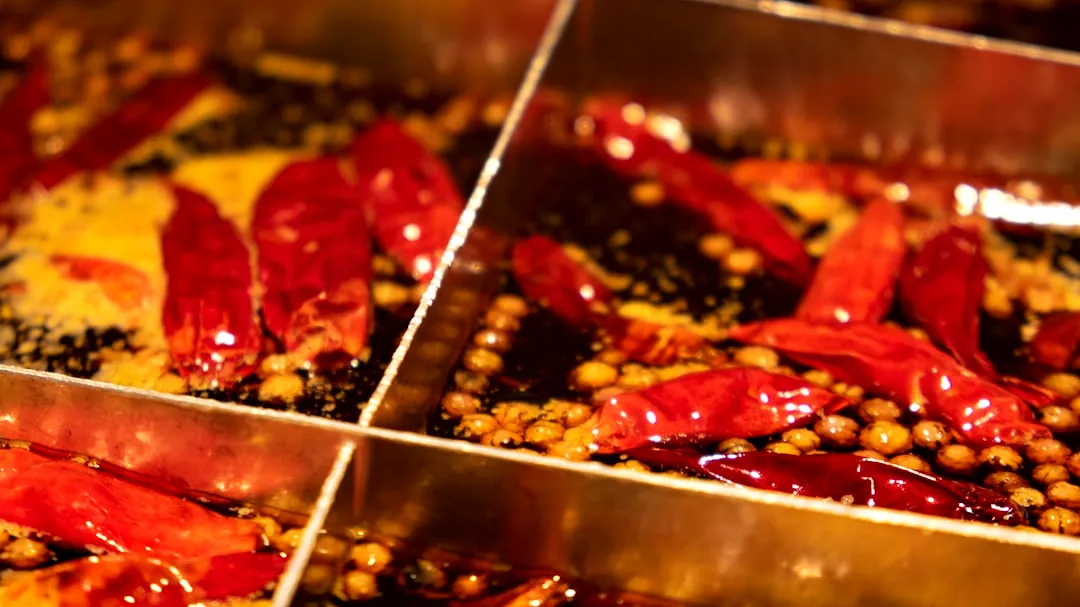
A recent systematic review and meta-analysis of 14 observational studies (over 11,000 participants and more than 5,000 gastrointestinal cancer cases) found that people with the highest chili pepper consumption had an approximately 2.7-fold greater odds of esophageal cancer compared with the lowest consumers. The signal was strongest for the esophagus and varied by region and study design, but causation was not established.
Who this finding most directly concerns
Pay attention if you regularly consume large amounts of chili—especially daily or multiple times per day—or live in regions where the positive associations were observed (the pooled analysis reported stronger links in studies from Asia, Africa, and North America). The meta-analysis pooled diverse observational data, so its “very high” consumers largely reflect habitual, heavy intake rather than the occasional spicy meal.
Clinicians and dietitians should note which patients combine heavy chili use with other esophageal risk factors—current or former smokers, heavy alcohol users, or people with known Barrett’s esophagus—and prioritize counseling there. The original review cautions against generalizing the result to all pepper eaters because residual confounding (diet quality, socioeconomic status, smoking, alcohol) could partly explain the association.
How the risk differed by cancer site, mechanism, and geography
The pooled results show a strong, site-specific pattern: esophageal cancer drove most of the association, stomach cancer trended higher but not significantly, and colorectal cancer showed no meaningful link. Biological mechanisms the authors note include capsaicin’s activation of TRPV1 receptors, repeated irritation and inflammation of the esophageal lining, and the esophagus’s slower mucosal renewal compared with the stomach or colon.
| Item | Meta-analysis finding | Practical implication |
|---|---|---|
| Esophageal cancer | Highest intake ≈ 2.7× odds (nearly threefold) | Most clear concern; consider moderation for heavy, habitual users |
| Overall gastrointestinal cancers | ~64% higher risk among heavy consumers (driven by esophagus) | Elevated overall risk largely reflects esophageal cases |
| Stomach | Non-significant trend to higher risk | Evidence weaker; not definitive |
| Colorectal | No meaningful association | No current signal to change behavior for colorectal cancer risk alone |
| Regional pattern | Positive associations mainly in Asia, Africa, North America; Europe and South America showed none or inverse | Local diet, pepper types, cooking methods, and confounders likely modify risk |
When to reduce intake, what to watch for, and what remains uncertain
If your pattern is very frequent heavy use—think multiple hot-pepper-rich meals every day—you may reasonably choose to reduce intake, particularly if you also smoke, drink heavily, or have a preexisting esophageal condition. The meta-analysis cannot state a safe numeric threshold; “very high” is the exposed group in these observational studies, not a calibrated gram-per-day cutoff.
Immediate stop signals are concrete symptoms: new or worsening persistent heartburn, frequent chest discomfort after spicy meals, progressive difficulty swallowing, or unexplained weight loss should prompt medical evaluation. For clinicians, the next research checkpoint flagged by the review is clearer exposure characterization—how much (grams or frequency), which pepper species, and which preparation methods (raw, pickled, fried) account for differences in risk.
Balancing trade-offs: chili peppers have reported anti-inflammatory and antioxidant effects in some laboratory and clinical contexts, but the pooled human evidence in this review points to a site-specific irritation risk at very high intake. Until studies with better dose measures and longitudinal follow-up are available, tailoring advice to individual risk profiles and symptoms is the most defensible approach.
Q&A
Does this prove chili peppers cause esophageal cancer? No. The 14-study meta-analysis (over 11,000 people) reports an association; observational designs cannot prove causation and are vulnerable to confounding.
Is moderate consumption safe? The studies didn’t define a safe quantitative threshold. Occasional or moderate use is not shown here to carry the same risk as the “very high” consumption groups.
What should trigger stopping or medical review? Persistent esophageal pain, worsening heartburn, new swallowing problems, or weight loss—especially in people who also smoke, drink heavily, or have Barrett’s esophagus—should prompt clinical assessment.