

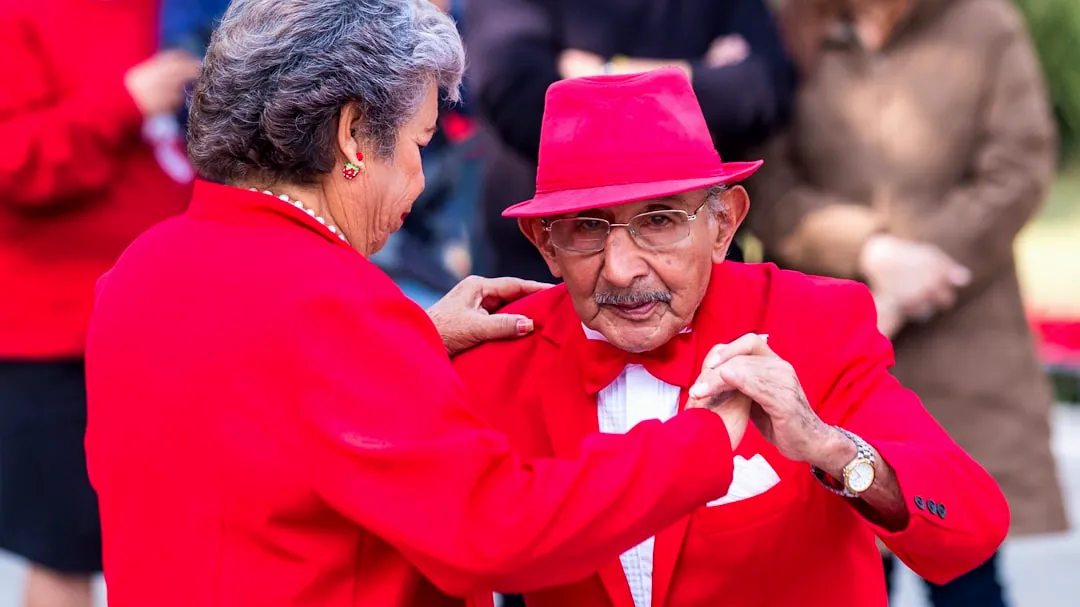
A study of 1,899 adults aged 50 and older found that those who regularly attended cultural events or took part in heritage activities had physiological profiles roughly three years younger than peers who did not — a measurable association that links cultural participation to markers of healthier aging while also supporting mood and social connection.
What the study measured and what it did not prove
Researchers analyzed markers of physiological age in 1,899 adults 50+, comparing those with frequent cultural engagement (museum visits, concerts, theater and similar activities) to less-engaged peers. After adjusting for socioeconomic status, chronic conditions and other confounders, the association remained: frequent cultural participation corresponded to an average of about three years younger physiological age.
That association is not the same as causation. The authors and outside experts caution the finding does not prove cultural activities directly slow biological aging; it establishes a robust correlation that merits follow-up trials and longer-term tracking.
Biological and social pathways that connect culture to health
Culturally relevant activities stimulate mood-related neurochemistry—dopamine and serotonin rise during music, storytelling and creative tasks—leading to improved mood and lower anxiety in older adults. Combined with social interaction and light-to-moderate physical movement (for example, adapted dance or cooking), these elements can improve cognition and cardiovascular resilience.
Evidence tying active social, cultural and physical lifestyles to lower risks of dementia, heart disease and depression comes from multiple observational studies. For seniors, culturally specific practices also reinforce identity and purpose: heritage crafts, traditional cooking classes or storytelling often encourage sustained participation because they carry personal meaning, which is itself a protective factor against isolation-driven decline.
Practical activities, adaptations, and warning signs
Family involvement matters for tailoring activities: relatives can identify meaningful traditions, help with transportation or join sessions to strengthen intergenerational ties. For seniors with mobility limits, adaptations such as chair-based dance, seated craft stations, or virtual museum tours keep the benefits accessible.
| Type of activity | Common adaptations | Typical measurable benefit | Stop or reassess signals |
|---|---|---|---|
| Traditional dance (heritage) | Chair/supported steps, shorter sessions | Improved mobility and mood | Excessive fatigue, dizziness, joint pain |
| Cultural cooking classes | Simplified tools, seated prep | Cognitive engagement, appetite regulation | Confusion beyond baseline, helplessness |
| Heritage crafts & storytelling | Shorter tasks, visual cues, family co-participation | Memory recall and social bonding | Disinterest, anxiety, cognitive overload |
| Museum/theater attendance | Quiet hours, seating breaks, transport support | Stimulates curiosity and social activity | Sensory overwhelm, mobility barriers |
Quick Q&A
Who should prioritize cultural activities? Seniors who value identity-reinforcing experiences and can participate safely—especially those at risk of isolation. Care teams should weigh mobility, cognition and preferences before prescribing more frequent engagement.
How often is “regular” participation? The study contrasted frequent versus infrequent engagement; a realistic starting target is weekly or several times per month, progressing as energy and interest allow.
When should a caregiver pause an activity plan? Stop or reassess if the person shows new or worsening fatigue, sustained disinterest, pain that limits movement, or acute confusion beyond their normal baseline; consult a clinician if symptoms persist.
Next research checkpoint and practical limits
Two gaps matter for decision-making today: first, whether increasing frequency or diversity of cultural activities produces sustained physiological and cognitive gains over years; second, how to scale access so affordability and transport do not restrict benefits. The study of 1,899 adults gives a measurable correlation, but randomized trials or longitudinal follow-ups are needed to test causality and dose–response.
For practitioners and caregivers, the sensible path is pragmatic: integrate culturally meaningful activities into care plans as complementary to medical treatments, monitor response with clear stop signals, and prioritize low-cost, local options that families can support. If participation boosts mood, social ties and mobility without adverse effects, it is reasonable to increase frequency gradually while watching for fatigue, pain, or cognitive overload as thresholds to slow or stop.