

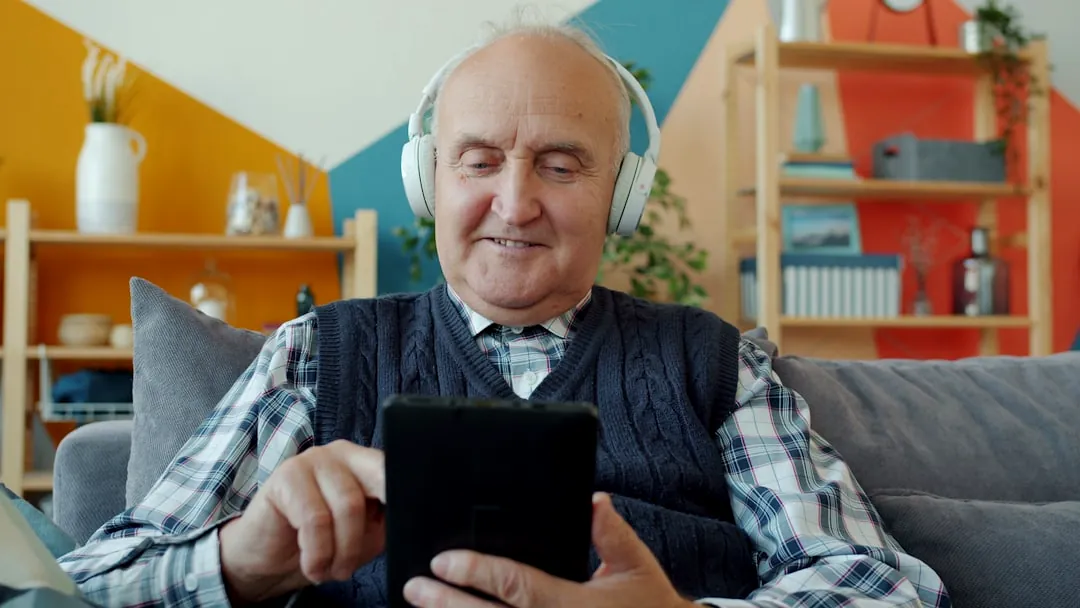
Randomized trials find that a single 24-minute session of AI-personalized music with embedded auditory beat stimulation (ABS) meaningfully lowers anxiety in adults already taking anti‑anxiety medication — most clearly for those with moderate trait anxiety. Below I summarize the evidence, how the sessions work, practical starting steps, and clear limits on when to pause or seek professional care.
What the trials actually measured and who they included
Across randomized controlled studies, participants who were taking anxiolytic medication and had moderate trait anxiety experienced measurable drops in both cognitive and somatic anxiety after one session of combined AI-personalized music plus ABS. One reported comparison found about a 21% reduction in cognitive anxiety (worry, racing mental thoughts) and roughly a 13% reduction in somatic anxiety (physical sensations like heart racing) after a single 24‑minute session, compared with smaller effects from music, ABS, or pink‑noise controls.
These trials tested single sessions in medicated adults; they do not establish effectiveness for people with severe anxiety or for unmedicated individuals. The results are therefore best read as evidence for a complementary, short-term intervention for people already engaged with medication rather than as a stand-alone treatment or a substitution for psychotherapy or pharmacotherapy.
How ABS plus AI-personalized music is thought to work (and what the timing means)
ABS delivers slightly different frequencies to each ear to create a perceived beat — binaural beats — that encourage the brain to shift toward a target frequency. Trials used theta-range beats (4–7 Hz) associated with deeper relaxation and alpha-range beats (~10 Hz) linked to calm alertness; the music track is then personalized by AI for mood and listening preference. Headphones are required to keep the left and right channels separate; over‑ear models are preferred for comfort during 24‑minute sessions.
| Session length | Observed effect vs control | Practical note / threshold |
|---|---|---|
| 12 minutes | Reduces anxiety more than pink noise, but less than 24 min | Useable as a quick session; not optimal per trial data |
| 24 minutes | Largest reductions reported (≈21% cognitive; ≈13% somatic in one study) | Recommended evidence‑based starting dose |
| 36 minutes | Minimal extra anxiety reduction overall; some additional drop in negative affect reported | Not routinely necessary; consider only if specifically targeting negative affect |
How to use this method safely and when to re-evaluate
If you want to try it: begin with one 24‑minute session using over‑ear headphones in a quiet space, ideally with eyes closed. The trials’ single‑session design means the clearest evidence supports testing a single 24‑minute exposure rather than daily commitment; whether repeated sessions increase benefit is an explicit next checkpoint for researchers. Track immediate changes in worry and physical symptoms and note whether effects last beyond the session.
Progression cues: consider repeating the protocol if you notice reliable short‑term improvement after the first session. Stop or consult a clinician if symptoms worsen, if you experience unexpected dizziness or increased agitation, or if you have epilepsy (binaural/beat stimulation and certain audio patterns can be contraindicated). If you’re unmedicated or have severe anxiety, discuss this option with your prescriber or therapist before trying it — the trials do not establish safety or efficacy in those groups.
Practical limits, misconceptions, and next research checkpoints
Do not treat ABS music as a replacement for medication or psychotherapy: the trials recruited participants already on anti‑anxiety drugs, and the findings position the method as an adjunct. Mechanistically, EEG studies report mixed support for direct brainwave entrainment, and some of the benefit may come from distraction, rhythmic breathing, or the relaxation produced by engaging music rather than neural synchronization alone. Larger, more diverse trials are needed to clarify effects across unmedicated or severely anxious populations and to test repeated‑session schedules.
Common questions
Can this replace my medication or therapy? No — evidence comes from people already on medication and speaks to adjunctive use. Any changes to medication should be done with a prescriber.
Do I need special equipment? Yes — headphones that isolate left and right channels are required for binaural beats; over‑ear headphones are recommended for the 24‑minute sessions used in trials.
How long should I try before judging whether it helps? Start with a single 24‑minute session (the trial‑based dose). If you see consistent short‑term relief, you can repeat sessions, but the benefit of a regular schedule is still an open research question and should be weighed against professional advice.