


After a total hip replacement, the right exercise plan is not “start hard as soon as possible.” It is a phased progression: gentle movements immediately after surgery, supported standing and walking soon after, and resistance work only after initial healing. That sequence matters because the early goal is circulation, muscle activation, and safe mobility—not aggressive strengthening that can increase pain, instability, or setbacks.
What starts right away, and why it is intentionally light
Early postoperative exercises usually begin in the recovery room or on the same day as surgery. The standard starting point is simple: ankle pumps, knee bends, and buttock contractions performed multiple times a day. These are not minor add-ons. Ankle pumps help circulation and lower the risk of blood clots, while knee bends and glute squeezes wake up muscles that may already have been weakened by arthritis, pain, and reduced movement before surgery.
The key distinction is purpose. In the first phase, exercises are meant to restore basic function without overloading healing tissues. That is why the program starts with bed- or chair-based movements rather than intensive hip strengthening. If a patient assumes they should push into hard strengthening immediately, they are skipping the stage designed to control swelling, protect the joint, and establish safe movement patterns.
When standing work and walking become the next step
Once standing is safe, the program usually expands to supported exercises such as hip abduction, hip extension, and knee raises while holding a stable surface. Walking also starts early, typically with a walker or other assistive device. This is less about distance than about rebuilding a steady gait, tolerance for weight-bearing, and confidence with balance.
Progression should be earned rather than rushed. Moving from walker to cane makes sense when strength and endurance improve enough to keep the pelvis level and the walking pattern controlled. If walking still involves marked limping, pain that rises during or after activity, or a sense that the hip may give way, that is not a sign to add difficulty. It is a sign to keep the current level or get reassessed.

When resistance bands belong in the plan
Resistance exercises become useful after the initial healing phase, not on day one. Elastic bands are commonly used for resisted hip flexion, abduction, and extension to rebuild the gluteus maximus and gluteus medius, which are central to hip stability. These muscles often need focused retraining because they may have been underused for months or years before surgery.
A practical starting structure is modest: sets of about 10 repetitions, performed multiple times daily only after clearance from the surgeon or physical therapist. The point is controlled resistance, not fatigue at any cost. A patient is usually ready to progress when they can perform the movements without increased pain, loss of form, or a feeling of instability during or after the session.
| Recovery phase | Typical exercises | Main goal | Do not progress if |
|---|---|---|---|
| Immediately after surgery | Ankle pumps, knee bends, buttock contractions | Improve circulation, reduce clot risk, activate muscles | Pain sharply increases, movement feels unsafe, or instructions from the surgical team limit activity |
| Early standing phase | Supported hip abduction, hip extension, knee raises, short walks with walker | Restore balance, weight-bearing tolerance, and gait | There is marked limping, poor balance, or the hip feels unstable |
| After initial healing | Resistance-band hip flexion, abduction, and extension | Rebuild hip strength and stability | Resistance causes pain, compensating movements, or post-exercise flare-up |
Pain control and swelling management are part of the exercise plan
Exercise progression works better when pain is managed early instead of chased after it escalates. Postoperative pain control often includes nerve blocks and scheduled opioid use, especially in the first days. Cryotherapy is commonly recommended three to four times daily at first to reduce swelling and make movement more tolerable.
This matters because pain and swelling can distort movement. A patient who is too uncomfortable to walk properly or complete basic exercises may start compensating with the back, knee, or opposite leg. Swelling after hip replacement is often less dramatic than after knee replacement, but it still deserves attention. Frequent ankle pumps and regular movement also serve a second purpose here by helping circulation and lowering deep vein thrombosis risk.
The practical checkpoint is not “eight weeks” alone
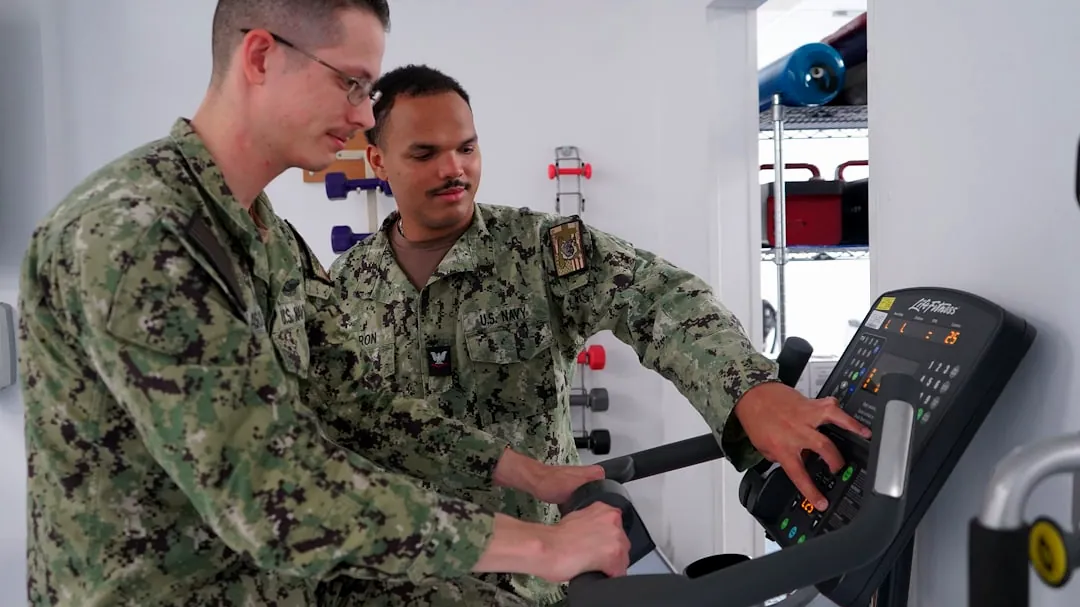
Many patients recover basic daily function and a more normal walking pattern in about eight weeks, but the more useful checkpoint is functional. The plan is working when the patient is moving toward walking independently without assistive devices and can perform resistance exercises without pain or instability. Those are stronger signs of readiness than the calendar by itself.
Formal physical therapy is worth starting early because it helps tailor the pace, correct gait problems, and prevent stiffness or weakness from becoming long-term habits. Patients should be more cautious if they are older, deconditioned, or had major mobility limits before surgery, since they may need slower progression and closer supervision. Persistent limping, pain that does not settle, limited mobility beyond the early weeks, or any new symptom that interrupts progress should prompt contact with the care team rather than a harder home program.
Q&A
Can I start hip strengthening intensely right after surgery? No. Early exercises are supposed to be gentle and frequent, not intense. Resistance work is usually added only after initial healing and professional clearance.
What is a realistic sign that I can progress? Better walking control, less reliance on a walker or cane, and the ability to do current exercises without pain, instability, or worsening symptoms afterward.
When should I pause and ask for help? If exercise causes increasing pain, a sense of the hip giving way, persistent limping, or stalled recovery, the plan may need adjustment by the surgeon or physical therapist.
>