

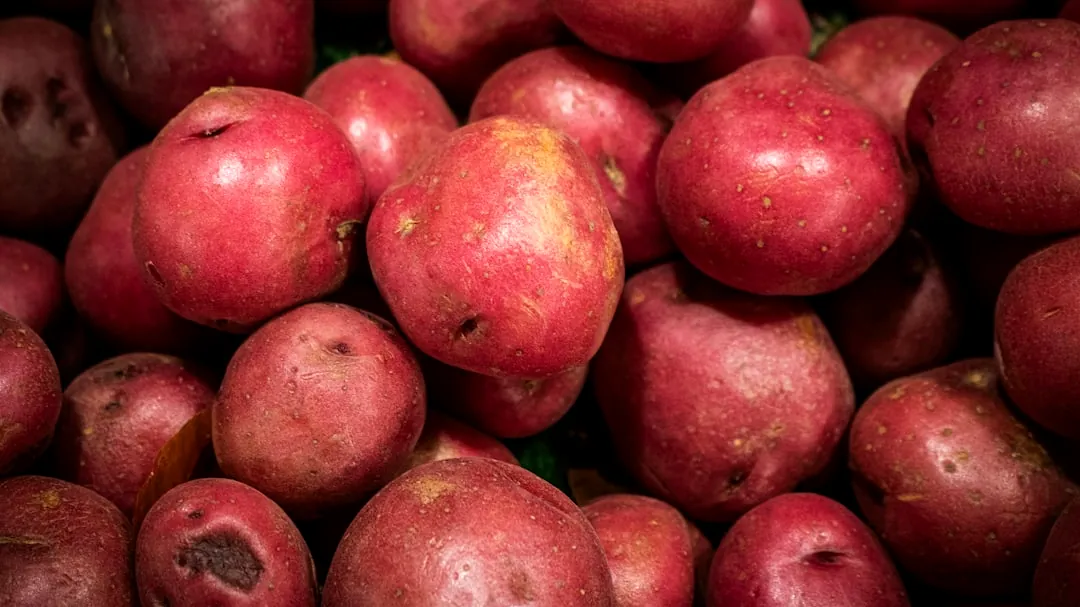
Understanding Organic Foods
Organic foods are defined as products cultivated without synthetic pesticides, herbicides, or chemical fertilizers. This distinction is crucial for consumers who are concerned about their health and the potential risks associated with pesticide exposure. The debate surrounding organic foods often centers on their perceived health benefits, particularly in relation to cancer risk.
One of the main concerns is glyphosate, a chemical that has been classified as a probable human carcinogen. While farm workers exposed to glyphosate and other pesticides have shown increased cancer rates, the implications for the general public are less clear. Most consumers encounter pesticide exposure primarily through their diets, particularly from conventionally grown produce.
The health impacts of low-level pesticide exposure, especially regarding cancer risk, continue to be a topic of ongoing inquiry. Understanding these factors is essential for consumers making informed dietary choices.
Research Findings on Organic Foods and Cancer Risk
Recent studies have provided varying insights into the relationship between organic food consumption and cancer risk. A significant study published in JAMA Internal Medicine indicated that individuals consuming a higher quantity of organic foods experienced a 25% reduction in overall cancer risk compared to those who consumed little to no organic food. This finding suggests that reducing exposure to harmful chemicals could play a role in cancer prevention.
However, the reliance on self-reported dietary habits raises concerns about the reliability of such studies. Biases in reporting can skew results, making it challenging to draw definitive conclusions about the benefits of organic foods.
In contrast, a 2014 study found no substantial difference in cancer risk between frequent organic consumers and those who opted for conventional foods. This inconsistency highlights the complexities in establishing a clear link between organic food consumption and cancer risk.

Confounding Factors in Dietary Choices
Health experts caution that the perceived benefits of organic foods may be influenced by other healthy lifestyle choices. Increased fruit and vegetable intake, regular exercise, and smoking cessation are all factors that can impact cancer risk. These confounding factors complicate the ability to discern the true impact of organic foods on cancer risk.
A prevalent misconception is that organic foods are entirely free of pesticides. While organic farming prohibits synthetic pesticides, it does not eliminate all pesticide use. Organic produce may still be treated with natural pesticides, which can lead to lower pesticide residues compared to conventional counterparts.
This misunderstanding can lead consumers to overestimate the safety of organic foods, shaping their purchasing decisions without a full grasp of the risks involved. It is essential for consumers to understand these nuances to make informed choices.
Practical Considerations for Consumers
For consumers contemplating the switch to organic foods, practical considerations come into play, particularly regarding cost. Organic produce often carries a premium price tag, which can be a barrier for many households. This creates a dilemma: how to balance the perceived health benefits of organic foods with their affordability.
One strategy is to prioritize organic versions of produce known for higher pesticide residues, often referred to as the “Dirty Dozen.” Conversely, consumers can choose conventional produce from the “Clean Fifteen,” which generally has lower pesticide levels. This approach allows consumers to manage their budgets while making informed food choices.
Additionally, washing fruits and vegetables thoroughly before consumption is a recommended practice to minimize pesticide residues, regardless of whether they are organic or conventional. This simple habit can significantly reduce potential exposure to harmful chemicals.

The Importance of a Balanced Diet
In the broader context of dietary choices, it becomes clear that while organic foods may offer certain advantages, the primary focus should be on increasing the intake of fruits and vegetables, irrespective of their organic status. Numerous studies have established a robust link between high consumption of fruits and vegetables and reduced cancer risk.
A diet rich in a variety of colorful produce is crucial for cancer prevention, potentially overshadowing the specific benefits attributed to organic foods. As research continues to evolve, it is essential for consumers to stay informed and consider the larger picture of their dietary patterns.
The intricate interplay between dietary habits, individual lifestyle choices, and the multifactorial nature of cancer complicates our understanding of this relationship. Controlled studies are needed to account for various confounding factors, including lifestyle and genetic predispositions.
What are the main benefits of consuming organic foods?
Organic foods are often associated with lower pesticide residues and may reduce exposure to harmful chemicals. Additionally, they may support sustainable farming practices that benefit the environment.
How can consumers make informed choices about organic foods?
Consumers can prioritize organic versions of produce known for higher pesticide residues and wash all fruits and vegetables thoroughly. Understanding the differences between organic and conventional foods can help in making informed dietary choices.