

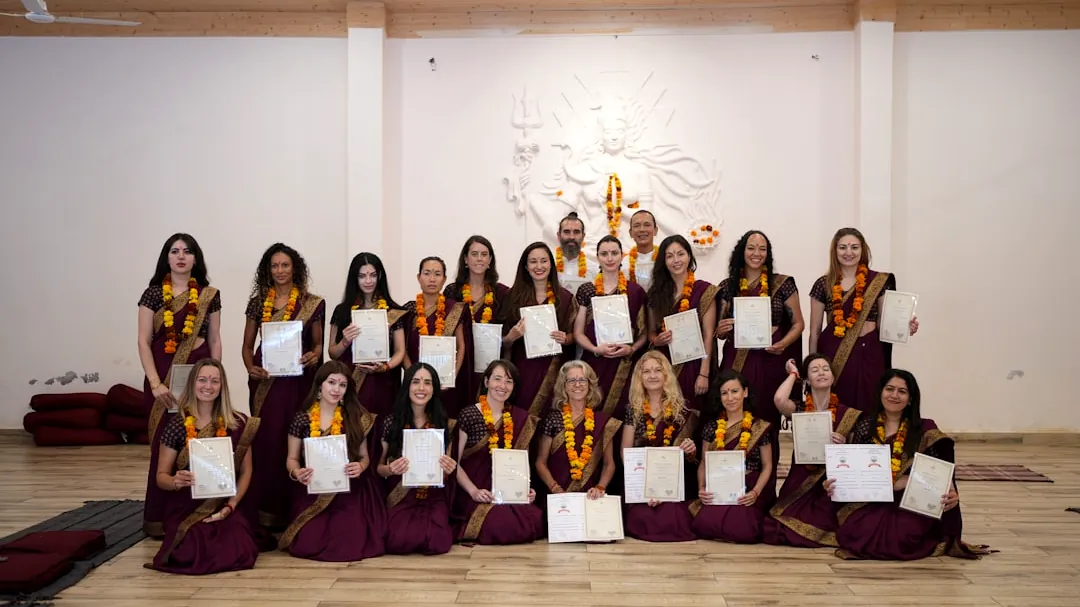
Researchers at the University of California San Diego report that a seven-day residential meditation retreat — about 33 hours of guided meditation, breathwork, and group healing across 20 healthy adults — produced rapid, measurable changes in brain function and blood biology comparable in some ways to psychedelic states, even though no drugs were used.
Who took part and what the retreat actually involved
The study followed 20 healthy adults through a weeklong, on-site program that delivered roughly 33 hours of guided practices: seated meditation, breathwork, and group-format healing sessions. Participants had fMRI scans and blood draws immediately before and after the retreat, enabling paired comparisons within individuals rather than cross-sectional guesses.
Researchers recorded subjective reports during the retreat: many participants described stronger mystical or transcendent experiences, which the team later correlated with changes in brain connectivity. The work was explicit about scope — healthy volunteers only — and the authors noted that the residential, immersive setting likely amplified effects compared with casual at-home practice.
Specific brain and blood changes the team measured
Functional MRI showed decreased activity in the default mode network (DMN), the set of brain regions tied to mind-wandering and self-focused thought; that drop in DMN activity suggests improved cognitive efficiency and reduced internal chatter. In lab assays, post-retreat blood plasma increased growth of neurons in culture, a direct marker of enhanced neuroplasticity rather than a subjective claim.
| Marker | Direction of change | What it implies | Practical threshold or signal |
|---|---|---|---|
| Default mode network (fMRI) | Decreased activity | Less mind-wandering; greater focus | Measurable change seen after ~33 hours over 7 days |
| Blood plasma effects (lab) | Promoted neuron growth | Increased neuroplasticity | Observed in post-retreat samples vs. pre-retreat |
| Endogenous opioids (blood) | Increased levels | Natural pain-relief mechanisms activated | Significant rise after the weeklong program |
| Immune markers | Both inflammatory and anti-inflammatory signals rose | Balanced, adaptive immune modulation rather than simple suppression | Pattern detected in paired pre/post blood samples |
| Metabolic flexibility | Improved sugar-burning capacity | Better cellular energy use | Measured in post-retreat metabolic assays |
The authors explicitly compared some of the observed brain-state patterns to those seen after psychedelic drug use, but emphasized that all effects here occurred without pharmacological agents. Gene expression and small RNA shifts pointed toward brain-related pathways, reinforcing the systemic reach of the intervention.
Who should try this, how to start, and what to watch for
For generally healthy adults curious about a rapid effect, a structured retreat with guided practice and social support appears more likely to produce measurable changes than ad hoc solo practice. If you can’t enroll in a weeklong program, researchers suggest a pragmatic starting cadence: daily 5–10 minute sessions for beginners, increasing duration gradually while monitoring focus and mood.
Progression signals that suggest benefit include clearer attention in daily tasks, reduced rumination, or subjective reports of deeper meditation experiences; the study found those subjective measures correlated with objective brain coordination. Stop signals include new or worsening psychological distress, intrusive experiences that interfere with daily life, or physical symptoms that emerge during breathwork — in those cases pause practice and consult a clinician or qualified instructor.
Quick Q&A
Can a weekend course reproduce these results? Unclear — the study’s intensive schedule (≈33 hours over seven days) was central to the observed changes; shorter courses likely yield smaller effects.
How long do the changes last? Unknown — the research measured pre/post immediately around the retreat; durability and the practice frequency needed to sustain changes are open questions researchers plan to address.
Is this safe for people with mental-health conditions? Caution is warranted. The trial involved healthy volunteers only; researchers intend to test clinical populations (mood disorders, chronic pain, immune dysfunction) but anyone with a psychiatric history should consult a provider before intensive retreats.
Limits, next checkpoints, and a realistic interpretation
Important limits: the sample size was 20 healthy adults and the setting was a residential, guided retreat, which reduces generalizability. The authors acknowledged potential open-label or expectancy effects and highlighted the need for longer follow-up to see how long brain and immune changes persist and whether regular home practice can maintain them.
Next research steps named by the team include testing clinical groups (for example, people with chronic pain or depression), disentangling which retreat components drive the strongest effects, and repeating the protocol with control conditions. For now, the practical takeaway is specific: a concentrated, guided week of practice can rapidly alter brain networks and blood markers in healthy adults, but durability, dose-response, and clinical utility remain to be confirmed.