

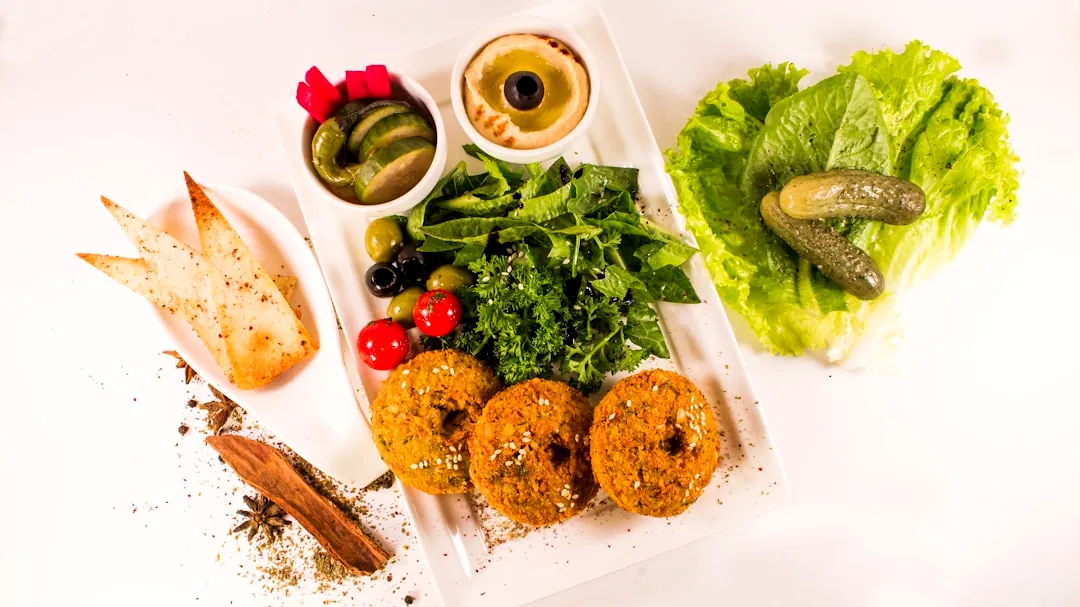
An anti-inflammatory approach works best as a pattern—think Mediterranean, DASH, or the MIND hybrid—rather than searching for a miracle “superfood.” Clinical trials and cardiovascular studies link whole dietary patterns to lower inflammatory markers and better blood pressure and cholesterol, and you can test early personal benefit within 2–3 weeks while planning for longer follow-up at 6–12 weeks.
Why eating pattern matters more than any single food
Randomized trials and observational studies have found that Mediterranean and DASH-style patterns reduce markers of inflammation and improve cardiovascular risk factors; the MIND diet targets the same foods with extra emphasis on cognitive outcomes. Those diets bundle multiple mechanisms—EPA/DHA from fatty fish, anthocyanins from berries, vitamin K from leafy greens, and oleocanthal in extra virgin olive oil—so the combined, sustained intake changes inflammatory signaling more reliably than occasional servings of an isolated “anti-inflammatory” item.
That doesn’t mean individual compounds are useless: curcumin and anthocyanins have shown anti-inflammatory effects in lab and human studies, but curcumin’s bioavailability is low unless paired with piperine (black pepper) or formulated supplements. When clinicians reference evidence, they point to whole-diet trials rather than single-ingredient fixes—so prioritize the pattern and treat supplements as targeted tools, not substitutes.
Practical food choices, clear limits, and quick checkpoints
Make simple swaps (olive oil for butter, whole grains for refined, salmon for processed meat) and watch how you feel and perform. Below is a concise table to scan the core inclusions, clear avoidances, and the early signals that tell you whether the pattern is worth continuing or needs adjustment.
| Include (examples & why) | Limit or avoid (examples & why) | Early checkpoint (2–3 weeks) |
|---|---|---|
| Fatty fish (salmon, sardines) for EPA/DHA; berries for anthocyanins; leafy greens for vitamin K; nuts and extra virgin olive oil (oleocanthal). | Refined carbs, sugary drinks, processed meats, trans fats, and most fried foods—these promote inflammation and weight gain. | Noticeable changes in energy, sleep, digestion, or reduced joint stiffness—if none, track intake closely for another 3–4 weeks before altering approach. |
| Whole grains, beans, spices (turmeric, ginger), green tea, and moderate coffee for antioxidants. | High-sugar “health” bars, salted trail mixes, and fast-food swaps that look healthy but carry added sugars/salt. | Weight trend: if gaining or losing >2–3% body weight unexpectedly, reassess calories and food choices; consult provider for concerning shifts. |
Who should be cautious, and how to spot personal triggers
Individuals with inflammatory bowel disease, rheumatoid arthritis, or food sensitivities often have idiosyncratic triggers—gluten or dairy may worsen symptoms for some people with IBD, and nightshades can bother a subset of people with arthritis. When you change diet, keep a simple symptom log: new or worsening diarrhea, increased joint pain, rashes, or unintentional weight change are clear stop or consult signals that warrant clinician review.
Supplements matter in specific ways: curcumin combined with piperine improves absorption and has been used in trials, but high-dose supplements can interact with blood thinners and other medications. If you take prescription drugs, are pregnant, or have complex conditions, review any supplement plan with your prescriber before starting it—this is a safety checkpoint, not optional troubleshooting.
Starting steps, progression, and when to change course
Begin with three practical thresholds: (1) add two extra vegetable servings and one berry serving daily, (2) replace one processed protein or fried meal per week with fatty fish or a legume-based meal, and (3) swap refined carbs for whole grains at two meals. If after 2–3 weeks you see modest symptom improvement or clearer sleep/energy, continue and set a lab-based check at 6–12 weeks (CRP or clinician-selected markers). If symptoms worsen, pause changes and consult a clinician—don’t simply double down on more supplements or restrictive cuts.
Q&A: common next-step questions
How soon will I notice differences? Some people report changes in energy or digestion in 2–3 weeks; measurable reductions in inflammatory blood markers usually take 6–12 weeks of consistent eating patterns.
Is powdered turmeric enough? Whole turmeric adds flavor; trials that show stronger effects use concentrated curcumin often paired with piperine. Treat supplements as targeted interventions and discuss dosing with a doctor.
When should I see a clinician? Seek medical advice if you have a chronic inflammatory disease and plan major dietary changes, if new or worsening symptoms appear, if you’re taking medications that interact with supplements, or if weight changes exceed 2–3% unexpectedly.