


Recent Changes to Colorectal Cancer Screening Guidelines
Recent changes to colorectal cancer screening guidelines now recommend that average-risk individuals begin screening at age 45. This pivotal shift is driven by the alarming rise of colorectal cancer diagnoses among younger adults. The adjustment signifies a crucial response to emerging evidence that suggests a growing number of individuals under 50, once deemed low-risk, are now facing this disease.
The urgency of early detection cannot be overstated. It is vital for improving treatment outcomes and potentially saving lives.
Causes of Increased Colorectal Cancer in Younger Adults
At the heart of this change lies a growing awareness of the biological and environmental factors contributing to colorectal cancer in younger populations. Research increasingly links lifestyle choices—such as poor diet and physical inactivity—to heightened cancer risk, particularly as obesity rates climb among younger individuals.
This correlation underscores the necessity for early screening. Timely interventions can prevent cancer progression and improve survival rates.
Impact of Technological Advancements on Screening
Technological advancements in screening methods have also catalyzed this shift. Modern tests, including the fecal immunochemical test (FIT) and colonoscopies, have become more adept at detecting precancerous polyps and early-stage cancers.

Colonoscopies, in particular, offer the unique advantage of allowing for the direct removal of polyps during the procedure. This significantly lowers future cancer risks.
Such improvements make the case for earlier screening not only feasible but essential for better health outcomes.
Consequences of Health Disparities in Screening Access
Yet, significant barriers remain. Although insurance coverage for colorectal cancer screening has broadened, disparities based on socioeconomic status and geographic location continue to exist. Many individuals still face financial obstacles or lack access to healthcare facilities that provide screenings.
These operational constraints can create inequities, ultimately affecting cancer outcomes across different populations. Addressing these disparities is crucial to ensure that the benefits of earlier screening are equitably distributed.
Public Awareness and Education on Colorectal Cancer Risks
A prevalent misconception is that colorectal cancer primarily affects older adults. This belief can foster a false sense of security among younger individuals regarding their health.
It often leads to delayed diagnoses, as younger patients may only seek screening once symptoms manifest—often too late for effective intervention. Public education about the risks of colorectal cancer in younger populations is essential to shift this narrative and encourage proactive health measures.
What are the implications of the updated guidelines?
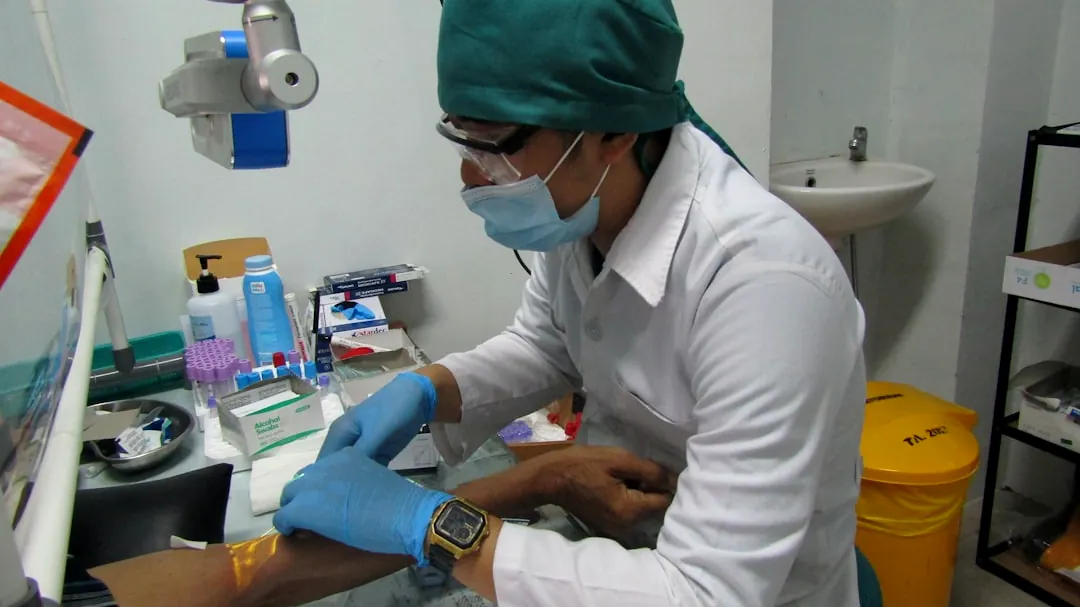
The implications of these updated guidelines extend well beyond individual health; they reflect a broader public health initiative aimed at reducing colorectal cancer mortality rates. By promoting earlier screenings, the healthcare system not only seeks to detect cancers sooner but also aims to decrease the incidence of advanced-stage cancers, which pose greater treatment challenges and costs.
How can personalized screening strategies improve outcomes?
Furthermore, the emphasis on personalized screening strategies highlights the necessity of considering individual health histories. Those with a family history of colorectal cancer or other risk factors may require tailored screening protocols to ensure appropriate care. Such individualized approaches can lead to improved health outcomes and a more efficient allocation of healthcare resources.
What challenges remain in implementing these guidelines?
Despite the clear advantages of earlier screening, obstacles persist that may hinder the widespread adoption of these guidelines. Many individuals remain unaware of the new recommendations or feel apprehensive about the screening process itself.
Education and outreach are critical to ensure the public understands the importance of screening and the various options available. Healthcare providers play a vital role in facilitating these conversations, helping patients navigate their choices based on personal health factors.
Why is patient engagement important in colorectal health?
As awareness of colorectal cancer screening initiatives grows, it is imperative for healthcare systems to engage patients in meaningful discussions about their health. These dialogues should encompass the risks and benefits of screening, the various testing options available, and the importance of adhering to recommended timelines.
By fostering a proactive approach to colorectal health, healthcare providers can empower individuals to take charge of their health and mitigate the risks associated with colorectal cancer.
<